33. The Quail King and the Hunter [Unity]

33. The Quail King and the Hunter [Unity]

Buddhist Tales for Young and Old, volume 1, Prince Goodspeaker, Stories 1-50
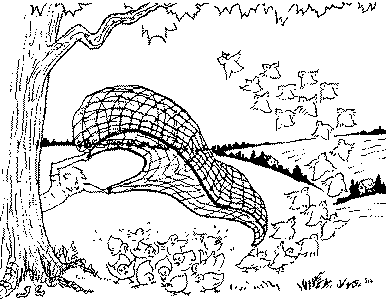
Once upon a time, there was a Quail King who reigned over a flock of a thousand quails.

There was also a very clever quail hunter. He knew how to make a quail call. Because this sounded just like a real quail crying for help, it never failed to attract other quails. Then the hunter covered them with a net, stuffed them in baskets, and sold them to make a living.

Because he always put the safety of his flock first, Quail King was highly respected by all. While on the lookout for danger, one day he came across the hunter and saw what he did. He thought, “This quail hunter has a good plan for destroying our relatives. I must make a better plan to save us."

Then he called together his whole nation of a thousand quails. He also invited other quails to attend the meeting. He said, “Greetings to our quail nation and welcome to our visitors. We are faced with great danger. Many of our relatives are being trapped and sold by a clever hunter. Then they are being killed and eaten. I have come up with a plan to save us all. When the hunter covers us with his net, every single one of us must raise his neck at the same time. Then, all together, we should fly away with the net and drop it on a thorn bush. That will keep him busy, and we will be able to escape with our lives." All agreed to follow this smart strategy.

The next day the hunter lured the quails with his quail call as usual. But when he threw his net over them, they all raised up their necks at once, flew away with the net, and dropped it on a thorn bush. He could catch no quails at all! In addition, it took him the rest of the day to loosen his net from the thorns – so he had no time left to try again!

The same thing happened on the following day. So he spent a second day unhooking his net from sharp thorns. He arrived home only to be greeted by his wife’s sharp tongue! She complained, “You used to bring home quail to eat, and money from selling quails. Now you return empty-handed. What do you do all day? You must have another wife somewhere, who is feasting on quail meat at this very moment!"

The hunter replied, “Don’t think such a thing, my darling. These days the quails have become very unified. They act as one, and raise up their necks and carry my net to a thorn bush. But thanks to you, my one and only wife, I know just what to do! Just as you argue with me, one day they too will argue, as relatives usually do. While they are occupied in conflict and bickering, I will trap them and bring them back to you. Then you will be pleased with me again. Until then, I must be patient."

The hunter had to put up with his wife’s complaints for several more days. Then one morning after being lured by the quail call, it just so happened that one quail accidentally stepped on the head of another. He immediately got angry and squawked at her. She removed her foot from his head and said, “Please don’t be angry with me. Please excuse my mistake." But he would not listen. Soon both of them were squawking and squawking, and the conflict got worse and worse!

Hearing this bickering getting louder and louder, Quail King said, “There is no advantage in conflict. Continuing it will lead to danger!" But they just wouldn’t listen.

Then Quail King thought, “I’m afraid this silly conflict will keep them from cooperating to raise the net." So he commanded that all should escape. His own flock flew away at once.

And it was just in time too! Suddenly the quail hunter threw his net over the remaining quails. The two arguing quails said to each other, “I won’t hold the net for you." Hearing this, even some of the other quails said, “Why should I hold the net for anyone else?"

So the conflict spread like wildfire. The hunter grabbed all the quails, stuffed them in his baskets, and took them home to his wife. Of course she was overjoyed, and they invited all their friends over for a big quail feast.

The moral is: There is safety in unity, and danger in conflict.

The Quail King and the Hunter [Unity]

Link: https://hhdorjechangbuddhaiiiinfo.com/2022/08/30/the-quail-king-and-the-hunter-unity/

INTERPRETER’S INTRODUCTION – BUDDHIST TALES FOR YOUNG AND OLD, VOLUME 1, STORIES 1-50

#Buddhisttalesforyoungandold #Buddhiststories #storiesforkids #moralstories #Buddha #Jatakastories #PansiyaPanasJataka
31. The Heaven of 33 [Chapter 2. Compassion]

31.The Heaven of 33 [Chapter 2. Compassion]

Buddhist Tales for Young and Old, volume 1, Prince Goodspeaker, Stories 1-50

At that time, so very long ago, there were some unfortunate ugly gods called ‘Asuras’. They had taken to living in the second heaven world.

The one who had been Magha the Good in his previous life, was now Sakka, King of the Heaven of 33. He thought, “Why should we, who are the 33, live in our Heaven of 33 with these unfortunate ugly Asuras? Since this is our world, let us live happily by ourselves."

So he invited them to a party and got them drunk on very strong liquor. It seems that, in being reborn, King Sakka had forgotten some of his own teachings as Magha the Good. After getting the Asuras drunk, he got them to go to a lower world, just as big as the Heaven of 33.

When they sobered up and realized they had been tricked into going to a lower heaven world, the Asuras became angry. They rose up and made war against King Sakka. Soon they were victorious, and Sakka was forced to run away.

While retreating in his mighty war chariot, he came to the vast forest where the Garudas have their nests. These are gods who, unfortunately, have no super powers. Instead they are forced to get around by flapping huge heavy wings.

When King Sakka’s chariot drove through their forest, it upset their nests and made the baby Garudas fall down. They cried in fear and agony. Hearing this, Sakka asked his charioteer where these sad cries were coming from. He answered, “These are the shrieks of terror coming from the baby Garudas, whose nests and trees are being destroyed by your powerful war chariot."

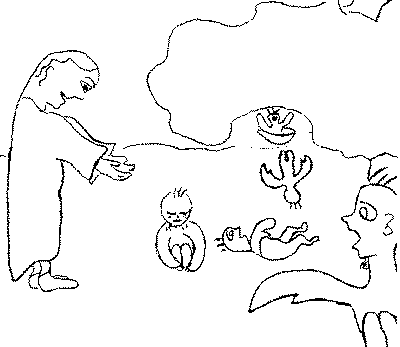
Hearing this suffering, King Sakka realized that all lives, including his own, are only temporary. Hearing this suffering, the compassion of the Great Being, which passes from life to life, arose within him and said, “Let the little ones have no more fear. The first training step must not be broken. There can be no exception. I will not destroy even one life for the sake of a heavenly kingdom that must some day end. Instead I will offer my life to the victorious Asuras. Turn back the chariot!"

So the chariot returned in the direction of the Heaven of 33. The Asuras saw King Sakka turn around, and thought he must have reinforcements from other worlds. So they ran, without looking back, down to their lower heaven world.

31.The Heaven of 33 [Chapter 2. Compassion]

Link: https://hhdorjechangbuddhaiiiinfo.com/2022/07/26/the-heaven-of-33-chapter-2-compassion/

INTERPRETER’S INTRODUCTION – BUDDHIST TALES FOR YOUNG AND OLD, VOLUME 1, STORIES 1-50

#Buddhisttalesforyoungandold #Buddhiststories #storiesforkids #moralstories #Buddha #Jatakastories #PansiyaPanasJataka
30, 286 Big Red, Little Red and No-squeal [Envy]

30, 286 Big Red, Little Red and No-squeal [Envy]

Buddhist Tales for Young and Old, volume 1, Prince Goodspeaker, Stories 1-50

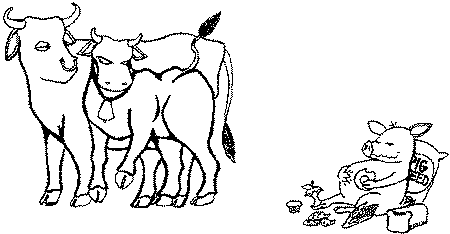
Once upon a time, there were two calves who were part of a country household. At the same home there also lived a girl and a baby pig. Since he hardly ever made a sound, the pig was called ‘No-squeal’.

The masters of the house treated No-squeal very well. They fed him large amounts of the very best rice, and even rice porridge with rich brown sugar.

The two calves noticed this. They worked hard pulling plows in the fields and bullock carts on the roads. Little Red said to Big Red, “My big brother, in this household you and I do all the hard work. We bring prosperity to the family. But they feed us only grass and hay. The baby pig No-squeal does nothing to support the family. And yet they feed him the finest and fanciest of foods. Why should he get such special treatment?"

The wise elder brother said, “Oh young one, it is dangerous to envy anybody. Therefore, do not envy the baby pig for being fed such rich food. What he eats is really “the food of death".

“There will soon be a marriage ceremony for the daughter of the house, and little No-squeal will be the wedding feast! That’s why he is being pampered and fed in such rich fashion.

“In a few days the guests will arrive. Then this piglet will be dragged away by the legs, killed, and made into curry for the feast."

Sure enough, in a few days the wedding guests arrived. The baby pig No-squeal was dragged away and killed. And just as Big Red had said, he was cooked in various types of curries and devoured by the guests.

Then Big Red said, “My dear young brother, did you see what happened to baby No-squeal?" “Yes brother," replied Little Red, “now I understand."

Big Red continued, “This is the result of being fed such rich food. Our poor grass and hay are a hundred times better than his rich porridge and sweet brown sugar. For our food brings no harm to us, but instead promises long life!"

The moral is: Don’t envy the well-off until you know the price they pay.

30, 286 Big Red, Little Red and No-squeal [Envy]

Link: https://hhdorjechangbuddhaiiiinfo.com/2022/06/28/30-286-big-red-little-red-and-no-squeal-envy/

INTERPRETER’S INTRODUCTION – BUDDHIST TALES FOR YOUNG AND OLD, VOLUME 1, STORIES 1-50

#Buddhisttalesforyoungandold #Buddhiststories #storiesforkids #moralstories #Buddha #Jatakastories #PansiyaPanasJataka
29 Grandma’s Blackie [Loving-kindness]

29 Grandma’s Blackie [Loving-kindness]

Buddhist Tales for Young and Old, volume 1, Prince Goodspeaker, Stories 1-50

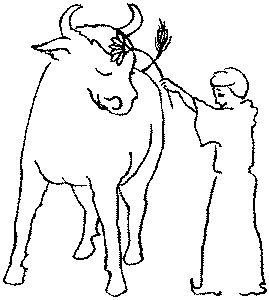
Once upon a time, when King Brahmadatta was ruling in Benares, there was an old woman who had a calf. This calf was of a noble dark color. In fact, he was jet black without a spot of white. He was the Bodhisatta — the Enlightenment Being.

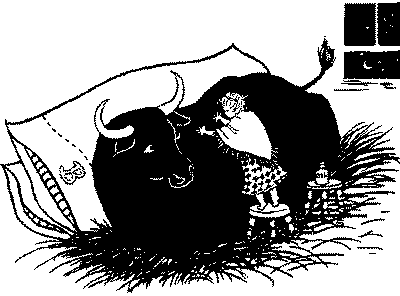
The old woman raised the little calf just as though he were her own child. She fed him only the very best rice and rice porridge. She petted his head and neck, and he licked her hand. Since they were so friendly, the people began calling the calf, “Grandma’s Blackie’.

Even after he grew up into a big strong bull, Grandma’s Blackie remained very tame and gentle. The village children played with him, holding onto his neck and ears and horns. They would even grab his tail and swing up onto his back for a ride. He liked children, so he never complained.

The friendly bull thought, “The loving old woman, who brought me up, is like a kind mother to me. She raised me as if I were her own child. She is poor and in need, but too humble to ask for my help. She is too gentle to force me to work. Because I also love her, I wish to release her from the suffering of poverty." So he began looking for work.

One day a caravan of 500 carts came by the village. It stopped at a difficult place to cross the river. The bullocks were not able to pull the carts across. The caravan leader hooked up all 500 pairs of bullocks to the first cart. But the river was so rough that they could not pull across even that one cart.

Faced with this problem, the leader began looking for more bulls. He was known to be an expert judge of the qualities of bulls. While examining the wandering village herd, he noticed Grandma’s Blackie. At once he thought, “This noble bullock looks like he has the strength and the will to pull my carts across the river."

He said to the villagers standing nearby, “To whom does this big black bull belong? I would like to use him to pull my caravan across the river, and I am willing to pay his owner for his services." The people said, “By all means, take him. His master is not here."

So he put a rope through Grandma’s Blackie’s nose. But when he pulled, he could not budge him! The bull was thinking, “Until this man says what he will pay for my work, I will not move."

Being such a good judge of bulls, the caravan leader understood his reasoning. So he said, “My dear bull, after you have pulled my 500 carts across the river, I will pay you two gold coins for each cart – not just one, but two!" Hearing this, Grandma’s Blackie went with him at once.


Then the man harnessed the strong black bull to the first cart. He proceeded to pull it across the river. This was what all one thousand bulls could not do before. Likewise, he pulled across each of the other 499 carts, one at a time, without slowing down a bit!

When all was done, the caravan leader made a package containing only one gold coin per cart, that is, 500 coins. He hung this around the mighty bullock’s neck. The bull thought, “This man promised two gold coins per cart, but that is not what he has hung around my neck. So I will not let him leave!" He went to the front of the caravan and blocked the path.

The leader tried to push him out of the way, but he would not move. He tried to drive the carts around him. But all the bulls had seen how strong he was, so they would not move either!

The man thought, “There is no doubt that this is a very intelligent bull, who knows I have given him only half-pay." So he made a new package containing the full one-thousand gold coins, and hung it instead around the bull’s neck.

Then Grandma’s Blackie re-crossed the river and walked directly towards the old woman, his ‘mother’. Along the way, the children tried to grab the money package, thinking it was a game. But he escaped them.

When the woman saw the heavy package, she was surprised. The children told her all about what happened down at the river. She opened the package and discovered the one thousand gold coins.

The old woman also saw the tired look in the eyes of her ‘child’. She said, “Oh my son, do you think I wish to live off the money you earn? Why did you wish to work so hard and suffer so? No matter how difficult it may be, I will always care for and look after you."

Then the kind woman washed the lovely bull and massaged his tired muscles with oil. She fed him good food and cared for him, until the end of their happy lives together.

The moral is: Loving-kindness makes the poorest house into the richest home.

29 Grandma’s Blackie [Loving-kindness]

Link: https://hhdorjechangbuddhaiiiinfo.com/2022/06/20/29-grandmas-blackie-loving-kindness/

INTERPRETER’S INTRODUCTION – BUDDHIST TALES FOR YOUNG AND OLD, VOLUME 1, STORIES 1-50

#Buddhisttalesforyoungandold #Buddhiststories #storiesforkids #moralstories #Buddha #Jatakastories #PansiyaPanasJataka
28,88 The Bull Called Delightful [All Deserve Respect]

28,88 The Bull Called Delightful [All Deserve Respect]

Buddhist Tales for Young and Old, volume 1, Prince Goodspeaker, Stories 1-50

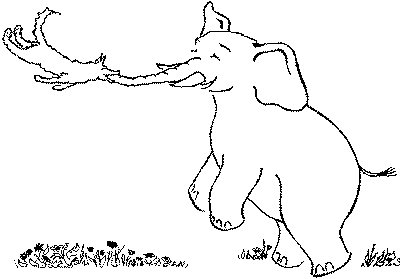
Once upon a time, in the country of Gandhara in northern India, there was a city called Takkasila. In that city the Enlightenment Being was born as a certain calf. Since he was well bred for strength, he was bought by a high class rich man. He became very fond of the gentle animal, and called him ‘Delightful’. He took good care of him and fed him only the best.

When Delightful grew up into a big fine strong bull, he thought, “I was brought up by this generous man. He gave me such good food and constant care, even though sometimes there were difficulties. Now I am a big grown-up bull and there is no other bull who can pull as heavy a load as I can. Therefore, I would like to use my strength to give something in return to my master."

So he said to the man, “Sir, please find some wealthy merchant who is proud of having many strong bulls. Challenge him by saying that your bull can pull one- hundred heavily loaded bullock carts."

Following his advice, the high class rich man went to such a merchant and struck up a conversation. After a while, he brought up the idea of who had the strongest bull in the city.

The merchant said, “Many have bulls, but no one has any as strong as mine." The rich man said, “Sir, I have a bull who can pull one hundred heavily loaded bullock carts." “No, friend, how can there be such a bull? That is unbelievable!" said the merchant. The other replied, “I do have such a bull, and I am willing to make a bet."

The merchant said, “I will bet a thousand gold coins that your bull cannot pull a hundred loaded bullock carts." So the bet was made and they agreed on a date and time for the challenge.

The merchant attached together one-hundred big bullock carts. He filled them with sand and gravel to make them very heavy.

The high class rich man fed the finest rice to the bull called Delightful. He bathed him and decorated him and hung a beautiful garland of flowers around his neck.

Then he harnessed him to the first cart and climbed up onto it. Being so high class, he could not resist the urge to make himself seem very important. So he cracked a whip in the air, and yelled at the faithful bull, “Pull, you dumb animal! I command you to pull, you big dummy!"

The bull called Delightful thought, “This challenge was my idea. I have never done anything bad to my master, and yet he insults me with such hard and harsh words!" So he remained in his place and refused to pull the carts.

The merchant laughed and demanded his winnings from the bet. The high class rich man had to pay him the one thousand gold coins. He returned home and sat down, saddened by his lost bet, and embarrassed by the blow to his pride.

The bull called Delightful grazed peacefully on his way home. When he arrived, he saw his master sadly lying on his side. He asked, “Sir, why are you lying there like that? Are you sleeping? You look sad." The man said, I lost a thousand gold coins because of you. With such a loss, how could I sleep?"

The bull replied. “Sir, you called me ‘dummy’. You even cracked a whip in the air over my head. In all my life, did I ever break anything, step on anything, make a mess in the wrong place, or behave like a ‘dummy’ in any way?" He answered, “No, my pet."

The bull called Delightful said, “Then sir, why did you call me ‘dumb animal’, and insult me even in the presence of others? The fault is yours. I have done nothing wrong. But since I feel sorry for you, go again to the merchant and make the same bet for two thousand gold coins. And remember to use only the respectful words I deserve so well."

Then the high class rich man went back to the merchant and made the bet for two-thousand gold coins. The merchant thought it would be easy money. Again he set up the one hundred heavily loaded bullock carts. Again the rich man fed and bathed the bull, and hung a garland of flowers around his neck.

When all was ready, the rich man touched Delightful’s forehead with a lotus blossom, having given up the whip. Thinking of him as fondly as if he were his own child, he said, “My son, please do me the honour of pulling these one hundred bullock carts."

Lo and behold, the wonderful bull pulled with all his might and dragged the heavy carts, until the last one stood in the place of the first.

The merchant, with his mouth hanging open in disbelief, had to pay the two thousand gold coins. The onlookers were so impressed that they honoured the bull called Delightful with gifts. But even more important to the high class rich man than his winnings, was his valuable lesson in humility and respect.

The moral is: Harsh words bring no reward. Respectful words bring honor to all.

28,88 The Bull Called Delightful [All Deserve Respect]

Link: https://hhdorjechangbuddhaiiiinfo.com/2022/06/13/2888-the-bull-called-delightful-all-deserve-respect/

INTERPRETER’S INTRODUCTION – BUDDHIST TALES FOR YOUNG AND OLD, VOLUME 1, STORIES 1-50

#Buddhisttalesforyoungandold #Buddhiststories #storiesforkids #moralstories #Buddha #Jatakastories #PansiyaPanasJataka
27.Best Friends [The Power of Friendship]

27. Best Friends [The Power of Friendship]

Buddhist Tales for Young and Old, volume 1, Prince Goodspeaker, Stories 1-50

Before the time of this story, people in Asia used to say that there would never be a time when an elephant and a dog would be friends. Elephants simply did not like dogs, and dogs were afraid of elephants.

When dogs are frightened by those who are bigger than they are, they often bark very loudly, to cover up their fear. When dogs used to do this when they saw elephants, the elephants would get annoyed and chase them. Elephants had no patience at all when it came to dogs. Even if a dog were quiet and still, any nearby elephant would automatically attack him. This is why everybody agreed that elephants and dogs were ‘natural enemies’, just like lions and tigers, or cats and mice.

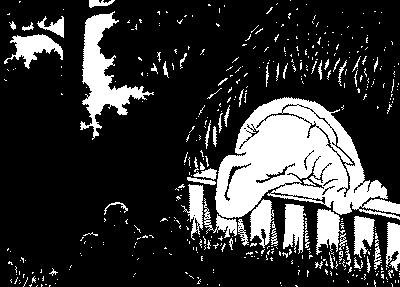
Once upon a time, there was a royal bull elephant, who was very well fed and cared for. In the neighbourhood of the elephant shed, there was a scrawny, poorly fed, stray dog. He was attracted by the smell of the rich sweet rice being fed to the royal elephant. So he began sneaking into the shed and eating the wonderful rice that fell from the elephant’s mouth. He liked it so much, that soon he would eat nowhere else. While enjoying his food, the big mighty elephant did not notice the tiny shy stray dog.

By eating such rich food, the once underfed dog gradually got bigger and stronger and became very handsome looking. The good-natured elephant began to notice him. Since the dog had gotten used to being around the elephant, he had lost his fear. So he did not bark at him. Because he was not annoyed by the friendly dog, the elephant gradually got used to him.

Slowly they became friendlier and friendlier with each other. Before long, neither would eat without the other, and they enjoyed spending their time together. When they played, the dog would grab the elephant’s heavy trunk, and the elephant would swing him forward and backward, from side to side, up and down, and even in circles! So it was that they became ‘best friends’, and wanted never to be separated.

Then one day a man from a remote village, who was visiting the city, passed by the elephant shed. He saw the frisky dog, who had become strong and beautiful. He bought him from the mahout, even though he didn’t really own him. He took him back to his home village, without anyone knowing where that was.

Of course, the royal bull elephant became very sad, since he missed his best friend the dog. He became so sad that he didn’t want to do anything, not even eat or drink or bathe. So the mahout had to report this to the king, although he said nothing about selling the friendly dog.

It just so happened that the king had an intelligent minister who was known for his understanding of animals. So he told him to go and find out the reason for the elephant’s condition.

The wise minister went to the elephant shed. He saw at once that the royal bull elephant was very sad. He thought, “This once happy elephant does not appear to be sick in any way. But I have seen this condition before, in men and animals alike. This elephant is grief-stricken, probably due to the loss of a very dear friend."

Then he said to the guards and attendants, “I find no sickness. He seems to be grief-stricken due to the loss of a friend. Do you know if this elephant had a very close friendship with anyone?"

They told him how the royal elephant and the stray dog were best friends. “What happened to this stray dog?" asked the minister. He was taken by an unknown man," they replied, “and we do not know where he is now."

The minister returned to the king and said, “Your majesty, I am happy to say your elephant is not sick. As strange as it may sound, he became best friends with a stray dog! Since the dog has been taken away, the elephant is grief-stricken and does not feel like eating or drinking or bathing. This is my opinion."

The king said, “Friendship is one of life’s most wonderful things. My minister, how can we bring back my elephant’s friend and make him happy again?"

“My lord," replied the minister, “I suggest you make an official announcement, that whoever has the dog who used to live at the royal elephant shed, will be fined."

This was done, and when the villager heard of it, he released the dog from his house. He was filled with great happiness and ran as fast as he could, straight back to his best friend, the royal bull elephant.

The elephant was so overjoyed, that he picked up his friend with his trunk and sat him on top of his head. The happy dog wagged his tail, while the elephant’s eyes sparkled with delight. They both lived happily ever after.

Meanwhile, the king was very pleased by his elephant’s full recovery. He was amazed that his minister seemed to be able to read the mind of an elephant. So he rewarded him appropriately.

The moral is: Even ‘natural enemies’ can become ‘best friends.’

27. Best Friends [The Power of Friendship]

Link: https://hhdorjechangbuddhaiiiinfo.com/2022/06/06/27-best-friends-the-power-of-friendship/

INTERPRETER’S INTRODUCTION – BUDDHIST TALES FOR YOUNG AND OLD, VOLUME 1, STORIES 1-50

#Buddhisttalesforyoungandold #Buddhiststories #storiesforkids #moralstories #Buddha #Jatakastories #PansiyaPanasJataka
26. Ladyface [Association]

26. Ladyface [Association]

Buddhist Tales for Young and Old, volume 1, Prince Goodspeaker, Stories 1-50

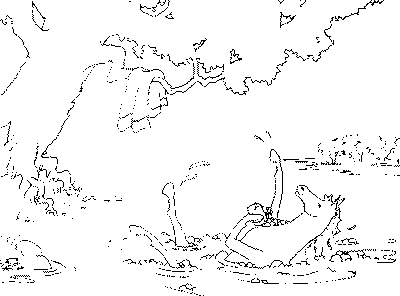
Once upon time, the King of Benares had a royal bull elephant who was kind, patient and harmless. Along with his sweet disposition, he had a lovely gentle face. So he was affectionately known as ‘Ladyface’.

One night, a gang of robbers met together just outside the elephant shed. In the darkness they talked about their plans for robbing people. They spoke of beating and killing, and bragged that they had given up ordinary goodness so they would have no pity on their victims. They used rough he-man type gutter language, intended to scare people and show how tough they were.

Since the nights were quiet, Ladyface had nothing else to do but listen to all these terrible plans and violent rough talk. He listened carefully and, as elephants do, remembered it all. Having been brought up to obey and respect human beings, he thought these men were also to be obeyed and respected, even as teachers.

After this went on for several nights, Ladyface decided that the correct thing to do was to become rough and cruel. This usually happens to one who associates with those of a low-minded cruel nature. It happens especially to a gentle one who wishes to please others.

A ‘mahout’ is what the Indians call the special trainer and caretaker of a particular elephant. They are usually very close. Early one morning, Ladyface’s mahout came to see him as usual. The elephant, his mind filled with the night’s robber-talk, suddenly attacked his mahout. He picked him up in his trunk, squeezed the breath out of him, and smashed him to the ground, killing him instantly. Then he picked up two other attendants, one after another, and killed them just as ferociously.

Word spread quickly through the city that the once adored Ladyface had suddenly gone mad and become a frightening man-killer. The people ran to the king for help.

It just so happened that the king had an intelligent minister who was known for his understanding of animals. So he called for him and asked him to go and determine what sickness or other condition had caused his favorite elephant to become so insanely violent.

This minister was the Bodhisatta, the Enlightenment Being. Arriving at the elephant shed, he spoke gentle soothing words to Ladyface, and calmed him down. He examined him and found him in perfect physical health. As he spoke kindly to Ladyface, he noticed that the elephant perked up his ears and paid very close attention. It was almost as if the poor animal were starved for the sound of gentle words. So the understanding minister figured out that the elephant must have been hearing the violent words or seeing the violent actions of those he mistook for teachers.

He asked the elephant guards, “Have you seen anyone hanging around this elephant shed, at night or any other time?" “Yes, minister," they replied, “for the last couple of weeks a gang of robbers has been meeting here. We were afraid to do anything, since they were such mean rough characters. Ladyface could hear their every word."

The minister returned immediately to the king. He said, “My lord king, your favourite elephant, Ladyface, is in perfect physical health. I have discovered that it was by hearing the rough and vulgar talk of thieves during many nights, that he has learned to be violent and cruel. Unwholesome associations often lead to unwholesome thoughts and actions."

The king asked, “What is to be done?" The minister said, “Well my lord, now we must reverse the process. We must send wise men and monks, who have a high-minded kind nature, to spend just as many nights outside the elephant shed. There they should talk of the value of ordinary goodness and patience, leading to compassion, loving-kindness and harmlessness."

So it was carried out. For several nights the kind wise ones spoke of those wonderful qualities. They used only gentle and refined language, intended to bring peacefulness and comfort to others.

Lo and behold, hearing this pleasant conversation for several nights, Ladyface the bull elephant became even more peaceful and pleasant than before!

Seeing this total change, the minister reported it to the king, saying, “My lord, Ladyface is now even more harmless and sweet than before. Now he is as gentle as a lamb!"

The king said, “It is wonderful indeed that such a madly violent elephant can be changed by associating with wise men and monks." He was amazed that his minister seemed to be able to read the mind of an elephant. So he rewarded him appropriately.

The moral is: As rough talk infects with violence, so do gentle words heal with harmlessness.

26. Ladyface [Association]

Link: https://hhdorjechangbuddhaiiiinfo.com/2022/05/16/26-ladyface-association/

INTERPRETER’S INTRODUCTION – BUDDHIST TALES FOR YOUNG AND OLD, VOLUME 1, STORIES 1-50

#Buddhisttalesforyoungandold #Buddhiststories #storiesforkids #moralstories #Buddha #Jatakastories #PansiyaPanasJataka
25. Dirty Bath Water [Cleanliness]

25. Dirty Bath Water [Cleanliness]

Buddhist Tales for Young and Old, volume 1, Prince Goodspeaker, Stories 1-50

Once upon a time, in a kingdom in India, the finest of the royal horses was taken down to the river to be bathed. The grooms took him to the same shallow pool where they always washed him.

However, just before they arrived, a filthy dirty horse had been washed in the same spot. He had been caught in the countryside and had never had a good bath in all his life.

The fine royal horse sniffed the air. He knew right away that some filthy wild horse had bathed there and fouled the water. So he was disgusted and refused to be washed at that place.

The grooms tried their best to get him into the water, but could do nothing with him. So they went to the king and complained that the fine well-trained royal stallion had suddenly become stubborn and unmanageable.

It just so happened that the king had an intelligent minister who was known for his understanding of animals. So he called for him and said, “Please go and see what has happened to my number one horse. Find out if he is sick or what is the reason he refuses to be bathed. Of all my horses, I thought this one was of such high quality that he would never let himself sink into dirtiness. There must be something wrong."

The minister went down to the riverside bathing pool immediately. He found that the stately horse was not sick, but in perfect health. He noticed also that he was deliberately breathing as little as possible. So he sniffed the air and smelled a slight foul odour. Investigating further, he found that it came from the unclean water in the bathing pool. So he figured out that another very dirty horse must have been washed there, and that the king’s horse was too fond of cleanliness to bathe in dirty water.

The minister asked the horse grooms, “Has any other horse been bathed at this spot today?" “Yes," they replied, “before we arrived, a dirty wild horse was bathed here." The minister told them, “My dear grooms, this is a fine royal horse who loves cleanliness. He does not wish to bathe in dirty water. So the thing to do is to take him up river, where the water is fresh and clean, and wash him there."

They followed his instructions, and the royal horse was pleased to bathe in the new place.

The minister returned to the king and told what had happened. Then he said, “You were correct your majesty, this fine horse was indeed of such high quality that he would not let himself sink into dirtiness!"

The king was amazed that his minister seemed to be able to read the mind of a horse. So he rewarded him appropriately.

The moral is: Even animals value cleanliness.

25. Dirty Bath Water [Cleanliness]

Link: https://hhdorjechangbuddhaiiiinfo.com/2022/05/10/25-dirty-bath-water-cleanliness/

INTERPRETER’S INTRODUCTION – BUDDHIST TALES FOR YOUNG AND OLD, VOLUME 1, STORIES 1-50

#Buddhisttalesforyoungandold #Buddhiststories #storiesforkids #moralstories #Buddha #Jatakastories #PansiyaPanasJataka

23, 24. The Great Horse Knowing-One [Courage]

23, 24. The Great Horse Knowing-One [Courage]

Buddhist Tales for Young and Old, volume 1, Prince Goodspeaker, Stories 1-50

Once upon a time, King Brahmadatta ruled in Benares, in northern India. He had a mighty horse, who had been born in the land of Sindh, in the Indus River valley of western India. Indeed, this horse was the Enlightenment Being.

As well as being big and strong, he was very intelligent and wise. When he was still young, people noticed that he always seemed to know what his rider wanted before being told. So he was called Knowing-one.

He was considered the greatest of the royal horses and was given the very best of everything. His stall was decorated and was always kept clean and beautiful. Horses are usually faithful to their masters. Knowing-one was especially loyal and was grateful for how well the king cared for him. Of all the royal horses, Knowing-one was also the bravest. So the king respected and trusted him.

It came to pass that seven neighbouring kings joined together to make war on King Brahmadatta. Each king brought four great armies — an elephant cavalry, a horse cavalry, a chariot brigade and ranks of foot soldiers. Together the seven kings, with all their armies, surrounded the city of Benares.

King Brahmadatta assembled his ministers and advisers to make plans for defending the kingdom. They advised him, “Do not surrender. We must fight to protect our high positions. But you should not risk your royal person in the beginning. Instead, send out the champion of all the knights to represent you on the battlefield. If he fails, only then must you yourself go."

So the king called the champion to him and asked, “Can you be victorious over these seven kings?" The knight replied, “If you permit me to ride out on the bravest and wisest, the great horse Knowing-one, only then can I win the battle." The king agreed and said, “My champion, it is up to you and Knowing-one to save the country in its time of danger. Take with you whatever you need."

The champion knight went to the royal stables. He ordered that Knowing-one be well fed and dressed in protective armor, with all the finest trimmings. Then he bowed respectfully and climbed into the beautiful saddle.

Knowing-one knew the situation. He thought, “These seven kings have come to attack my country and my king, who feeds and cares for and trusts me. Not only the seven kings, but also their large and powerful armies threaten my king and all in Benares. I cannot let them win. But I also cannot permit the champion knight to kill those kings. Then I too would share in the unwholesome action of taking the lives of others, in order to win an ordinary victory. Instead, I will teach a new way. I will capture all seven kings without killing anyone. That would be a truly great victory!"

Then the Knowing-one spoke to his rider. “Sir knight, let us win this battle in a new way, without destroying life. You must only capture each king, one at a time, and remain firmly on my back. Let me find the true course through the many armies. Watch me as you ride, and I will show you the courage that goes beyond the old way, the killing way!"

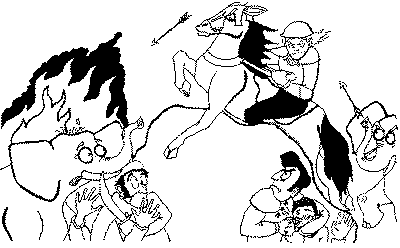
As he spoke of ‘a new way’, and ‘the true course’, and ‘the courage that goes beyond’, it seemed the noble steed became larger than life. He reared up majestically on his powerful hind legs, and looked down on all the armies surrounding the city. The eyes of all were drawn to this magnificent one. The earth trembled as his front hoofs returned to the ground and he charged into the midst of the four armies of the first king. He seemed to have the speed of lightning, the might of a hundred elephants, and the glorious confidence of one from some other world.

The elephants could remember no such horse as this, and so the elephant cavalry retreated in fear. The horses knew that this their relative was the worthy master of them all, and so the horse cavalry and the chariot brigade stood still and bowed as the Great Being passed. And the ranks of foot-soldiers scattered like flies before a strong wind.

The first king hardly knew what had happened, before he was easily captured and brought back into the city of Benares. And so too with the second, third, fourth and fifth kings.

In the same way the sixth king was captured. But one of his loyal bodyguards leaped out from hiding and thrust his sword deep into the side of the brave Knowing-one. With blood streaming from the wound, he carried the champion knight and the captured sixth king back to the city.

When the knight saw the terrible wound, he suddenly became afraid to ride the weakened Knowing-one against the seventh king. So he began to dress in armour another powerful war horse, who was really just as big as Knowing-one.

Seeing this, though suffering in great pain from his deadly wound, Knowing-one thought, “This champion knight has lost his courage so quickly. He has not understood the true nature of my power — the knowledge that true peace is only won by peaceful means. He tries to defeat the seventh king and his armies in the ordinary way, riding an ordinary horse.

“After taking the first step of giving up the killing of living beings, I cannot stop part way. My great effort to teach a new way would disappear like a line drawn in water!"

The great horse Knowing-one spoke to the champion knight. “Sir knight, the seventh king and his armies are the mightiest of all. Riding an ordinary horse, even if you slaughter a thousand men and animals, you will be defeated. I, of the mighty tribe of Sindh horses, the one called Knowing-one, only I can pass through them harming none, and bring back the seventh king alive!"

The champion knight regained his courage. The brave horse struggled to his feet, in great pain. While the blood continued to flow, he reared and charged through the four armies, and the knight brought back the last of the seven warlike kings. Again all those in his path were spared from harm. Seeing their seven kings in captivity, all the armies laid down their weapons and asked for peace.

Realizing that the great horse Knowing-one would not live through the night, King Brahmadatta went to see him. He had raised him from a colt, so he loved him. When he saw that he was dying, his eyes filled with tears.

Knowing-one said, “My lord king, I have served you well. And I have gone beyond and shown a new way. Now you must grant my last request. You must not kill these seven kings, even though they have wronged you. For a bloody victory sows the seeds of the next war. Forgive their attack on you, let them return to their kingdoms, and may you all live in peace from now on.

“Whatever reward you would give to me, give instead to the champion knight. Do only wholesome deeds, be generous, honour the Truth, and kill no living being. Rule with justice and compassion."

Then he closed his eyes and breathed his last. The king burst into tears, and all mourned his passing. With the highest honours, they burned the body of the great horse Knowing-one — the Enlightenment Being.

King Brahmadatta had the seven kings brought before him. They too honored the great one, who had defeated their vast armies without spilling a drop of blood, except his own. In his memory they made peace, and never again did these seven kings and Brahmadatta make war on each other.

The moral is: True peace is only won by peaceful means.

23, 24. The Great Horse Knowing-One [Courage]

Link: https://hhdorjechangbuddhaiiiinfo.com/2022/05/03/23-24-the-great-horse-knowing-one-courage/

INTERPRETER’S INTRODUCTION – BUDDHIST TALES FOR YOUNG AND OLD, VOLUME 1, STORIES 1-50

#Buddhisttalesforyoungandold #Buddhiststories #storiesforkids #moralstories #Buddha #Jatakastories #PansiyaPanasJataka